Your Guide To Medical Check-ups In Japan
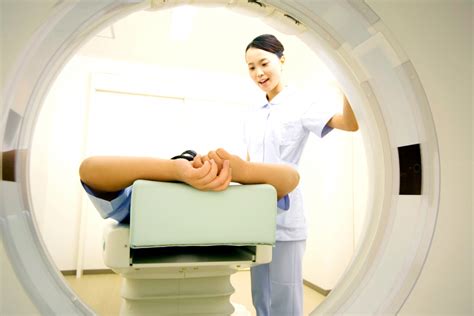
Your Guide to Medical Check-ups in Japan
Hey there, health-conscious folks! Are you living in or planning to move to Japan and wondering about the ins and outs of getting a medical check-up? Well, you’ve come to the right place! Understanding the
Japanese medical check-up system
can seem a bit daunting at first, especially with new terminology and procedures. But trust me, once you get the hang of it, you’ll find that Japan’s proactive approach to health is actually super beneficial. This comprehensive guide is designed to break down everything you need to know, from the basic vocabulary to the types of check-ups available, what to expect during your visit, and even some
handy tips
to make your experience as smooth as possible. We’ll dive deep into terms like
Kenshin
and
Kenkou Shindan
, explore why these check-ups are so important for preventative care, and explain how the system works for everyone, whether you’re a student, an employee, or just someone looking to stay healthy. So, let’s grab a virtual cup of green tea and get started on demystifying the
Japanese medical check-up
process together!
Table of Contents
Understanding “Medical Check-Up” in Japanese
When we talk about a
medical check-up in Japanese
, you’ll primarily encounter two key terms:
Kenshin
(検診) and
Kenkou Shindan
(健康診断). While both broadly refer to health screenings, there are subtle but important differences that are good to know, especially for anyone navigating the Japanese healthcare system. Let’s break them down.
Guys
,
Kenkou Shindan
is the more general term for a comprehensive health examination or physical check-up. This is what most people refer to when they talk about their annual health check. It literally translates to “health diagnosis” or “health examination.” This type of check-up is often mandated by law for employees and students, making it a regular part of life in Japan. Companies and schools are legally required to provide these annual check-ups to ensure the well-being of their staff and students, and to identify any potential health issues early on. For example, if you’re working at a Japanese company, you’ll likely receive a notice annually to undergo a
Teiki Kenkou Shindan
(定期健康診断), which means a
regular health examination
. This standard check-up typically includes a physical examination, blood tests, urine tests, a chest X-ray, and sometimes an electrocardiogram (ECG). The goal is broad-spectrum screening to catch common health problems like high blood pressure, diabetes, or liver issues before they become serious. It’s all about
preventive care
, which is a huge focus in Japan’s healthcare philosophy. Think of it as your regular pit stop to ensure your body, like a well-oiled machine, is running efficiently.
On the other hand,
Kenshin
(検診) usually refers to more
specific screenings
for particular diseases, most commonly
cancer screenings
. It literally translates to “screening examination.” So, when you hear
Gan Kenshin
(がん検診), they are talking about cancer screenings, which can include
Stomach Kenshin
(胃がん検診 for gastric cancer),
Colon Kenshin
(大腸がん検診 for colorectal cancer),
Breast Kenshin
(乳がん検診 for breast cancer), or
Cervical Kenshin
(子宮頸がん検診 for cervical cancer). These
Kenshin
are often offered by local municipalities or healthcare providers and are typically targeted at specific age groups or risk factors. For instance, women over a certain age might be encouraged to get
Breast Kenshin
regularly. While
Kenkou Shindan
gives you a general overview of your health,
Kenshin
digs deeper into the potential presence of specific conditions. Both terms highlight Japan’s emphasis on proactive health management and early detection, which is why the country boasts some of the highest life expectancies in the world. So, remember, if you’re looking for your
general annual check-up
, you’re likely asking about a
Kenkou Shindan
, but if you’re specifically concerned about, say,
cancer
, you’d be looking for a
Kenshin
. Knowing these distinctions will definitely help you communicate more effectively with doctors and administrative staff when you’re making appointments or asking questions about your health coverage. It’s all part of becoming a savvy participant in the
Japanese healthcare system
, and trust me, it’s worth the effort for your peace of mind and long-term well-being!
Why Japanese Medical Check-ups Are Important
Understanding why Japanese medical check-ups are important goes beyond just fulfilling a requirement; it’s about embracing a culture of proactive health and well-being that is deeply ingrained in Japanese society. Seriously, guys , these check-ups are a cornerstone of their healthcare system, and for very good reasons! First and foremost, these check-ups are crucial for proactive health management . Japan places a huge emphasis on preventive care , and regular check-ups are the best way to catch potential health issues early , often before any symptoms even appear. Imagine detecting high blood pressure or early signs of diabetes during a routine check-up. This early detection allows for timely intervention, lifestyle adjustments, and treatment, which can significantly prevent the development of more serious, chronic conditions down the road. It’s like getting a regular tune-up for your car – you want to address minor issues before they turn into major engine trouble. This approach saves lives and improves the overall quality of life for countless individuals, making it a truly valuable aspect of living in Japan. Without these regular screenings, many people might not realize they have a silent killer like hypertension until it’s too late, leading to much more invasive and costly treatments in the future.
Beyond personal well-being,
Japanese medical check-ups
also play a significant role due to
legal and societal requirements
. For instance, if you’re employed in Japan, annual
Kenkou Shindan
are often
mandated by law
under the Industrial Safety and Health Act. Employers are legally obligated to provide these check-ups to their staff, and employees are expected to participate. This isn’t just a formality; it’s a way to ensure a healthy and productive workforce, reducing sick leave and improving overall morale. Similarly, many schools require students to undergo regular health checks. This holistic approach ensures that everyone, from young students to seasoned professionals, has access to basic health monitoring. It also reflects a broader societal value in Japan where the well-being of the collective is highly prioritized. This
cultural aspect
of prioritizing health and
preventive care
is something truly admirable. It’s not just about treating illness; it’s about maintaining wellness and preventing disease from taking root in the first place. You’ll find that hospitals and clinics are often equipped with state-of-the-art diagnostic tools for these screenings, reflecting the investment in this preventative philosophy. Furthermore, knowing that you’ve had a thorough check-up provides immense
peace of mind
. For individuals and families, getting regular health evaluations can alleviate anxieties about underlying health problems. It’s reassuring to know that you’re taking proactive steps to safeguard your health, allowing you to focus on other aspects of your life with less worry. This peace of mind extends to your family too, as a healthy you means less stress and more stability for your loved ones. Ultimately, engaging with the
Japanese medical check-up system
isn’t just about compliance; it’s about actively participating in a system designed to keep you healthy, productive, and worry-free. So, when that annual check-up notification comes around, consider it a friendly reminder from the Japanese healthcare system to invest in your most important asset:
your health
.
Types of Medical Check-ups in Japan
Alright,
guys
, let’s talk about the different flavors of
medical check-ups in Japan
! It’s not a one-size-fits-all situation, and understanding the various types will help you choose the right one for your needs. The most common one you’ll encounter is the
Basic Annual Check-up
, or
Teiki Kenkou Shindan
(定期健康診断). This is the standard health check-up that most employees and students in Japan receive once a year. It’s designed to be a general overview of your health status. Typically, it covers a physical examination (height, weight, BMI, abdominal circumference), blood pressure measurement, vision and hearing tests, a blood test (checking for things like liver function, kidney function, cholesterol levels, and blood sugar), a urine test (looking for protein, sugar, and occult blood), and a chest X-ray (to check for lung abnormalities). Some clinics might also include an electrocardiogram (ECG) to assess heart function. The idea here is to catch common health issues early on, like the onset of
diabetes
,
hypertension
, or potential
liver problems
. It’s your basic health dashboard, making sure all the warning lights aren’t on! Employers often subsidize or fully cover the cost of this check-up, making it incredibly accessible for the working population. Local municipalities also offer similar basic check-ups, sometimes at a reduced cost or free, for their residents who might not be covered by an employer’s plan.
Beyond the basic annual check-up, you’ll also find various
Specific Screenings
, often referred to as
Kenshin
(検診), which we discussed earlier. These are specialized tests designed to detect particular diseases, most notably
cancer screenings
(
Gan Kenshin
- がん検診). Japan has a robust system for various cancer screenings due to its strong focus on early detection. Common
Kenshin
include
Stomach Kenshin
(胃がん検診), which might involve a barium swallow test or endoscopy;
Colon Kenshin
(大腸がん検診) often starting with a fecal occult blood test;
Breast Kenshin
(乳がん検診), typically a mammogram or ultrasound;
Cervical Kenshin
(子宮頸がん検診) for women; and
Lung Kenshin
(肺がん検診), which usually involves a chest X-ray (though sometimes a CT scan for high-risk individuals). These specific screenings are vital for catching cancers at their most treatable stages. Eligibility for these often depends on age, gender, and sometimes family history, and they are usually subsidized by local governments or national health insurance. It’s really important for residents to keep an eye on these offerings, as they can be life-saving opportunities for early intervention. For example, if you’re a woman over 40, you’ll likely receive recommendations to get a regular
Breast Kenshin
from your local ward office.
Then there’s the
Ningen Dock
(人間ドック), which is basically the
premium, super-comprehensive version
of a medical check-up. The name literally translates to “human dock,” like a dry dock for ships where they get a thorough inspection. This isn’t typically mandated but is a highly popular option for those who want a much deeper dive into their health.
Ningen Dock
packages go
way beyond
the basic annual check-up. They can include a wider array of blood tests, advanced imaging like abdominal ultrasounds, MRI/CT scans, endoscopies (gastric scope or colonoscope), advanced cardiovascular tests, detailed eye exams, hearing tests, and extensive consultations with specialists. Some even offer genetic testing or assessments for lifestyle diseases. While
Teiki Kenkou Shindan
are designed to detect
common
health issues, the
Ningen Dock
aims to uncover
any potential abnormalities
across various organs and systems, providing a truly holistic health assessment. These are often chosen by individuals seeking to be extra vigilant about their health, or by companies offering them as a high-value benefit to their executives. They can be more expensive than basic check-ups, often ranging from ¥30,000 to ¥100,000 or more, depending on the comprehensiveness of the package. However, many health insurance plans, or employers, might cover a portion of the cost, so it’s always worth checking. Lastly, you might encounter
Specific Workplace Check-ups
for certain occupations (e.g., those exposed to specific chemicals) and
Maternity/Child Health Checks
for pregnant women and young children, which are critical for monitoring development and ensuring healthy growth. Each of these check-up types plays a crucial role in Japan’s comprehensive strategy for maintaining the health of its population, emphasizing that there’s a specific check for almost every health concern you might have.
What to Expect During a Japanese Medical Check-up
So, you’ve decided to get a
medical check-up in Japan
– awesome! Now,
guys
, let’s walk through what you can generally expect when you actually go for one, particularly focusing on a standard
Teiki Kenkou Shindan
or
Ningen Dock
. Knowing the drill beforehand can really ease any anxieties, especially if you’re not fluent in Japanese. First off, the process typically begins with
registration and paperwork
. When you arrive at the clinic or hospital, you’ll usually check in at the reception desk. You’ll need to present your health insurance card (健康保険証 -
kenkou hokensho
) and possibly your residence card (
zairyu card
). You’ll then be given a form to fill out, which will ask for personal details, your medical history (past illnesses, medications you’re currently taking, allergies, family medical history), and lifestyle habits (smoking, drinking, exercise). Don’t stress too much about the Japanese; many clinics catering to foreigners will have English forms, or at least staff who can assist you. If not, having a translation app ready or bringing a Japanese-speaking friend can be a lifesaver. This initial step is critical, so take your time to fill it out accurately and ask questions if anything is unclear. Accuracy in your medical history can greatly impact the relevance of the tests and the doctor’s assessment.
Once the paperwork is done, you’ll embark on
the process of various tests
. The order might vary, but generally, you’ll move through different stations, often in a systematic flow to ensure efficiency. You’ll likely start with
basic measurements
: your height and weight will be taken to calculate your BMI, and your abdominal circumference might be measured as well. Then, you’ll proceed to
blood pressure measurement
; a cuff will be placed around your arm, just like back home. Following that, there will be
vision and hearing tests
. Vision tests are usually standard eye charts, but sometimes they involve identifying symbols or directions. Hearing tests might involve listening to tones through headphones or responding to whispered words. After these, it’s typically time for the
blood draw
(
ketsueki kensa
- 血液検査). A nurse will take a blood sample, usually from your arm. This blood will be used to check a wide range of indicators, including cholesterol, blood sugar, liver function, kidney function, and sometimes thyroid hormones. Next up is the
urine sample
(
nyou kensa
- 尿検査); you’ll be directed to a restroom with a small cup to collect a sample. This checks for sugar, protein, and other markers that can indicate issues like diabetes or kidney problems. A
chest X-ray
(
kyoubu X-sen
- 胸部X線) is also a very common component, checking for lung diseases like tuberculosis or pneumonia, or even heart enlargement. You’ll be asked to remove any metal objects and stand against a plate for a quick scan. Many check-ups also include an
electrocardiogram (ECG)
(
shindenzu
- 心電図) to assess your heart’s electrical activity. Finally, you’ll usually have a brief
doctor’s consultation
(
ishi no shinsatsu
- 医師の診察). The doctor will review your initial questionnaire and preliminary results (if available), ask you about your lifestyle, and perform a physical examination, which might include listening to your heart and lungs. This is your chance to ask any specific questions or voice any concerns you might have. For more comprehensive
Ningen Dock
check-ups, expect additional tests like abdominal ultrasounds, endoscopies, or more specialized blood tests, which will naturally extend the duration.
Regarding the
duration
, a basic annual check-up typically takes anywhere from 1 to 2 hours, depending on the facility and how busy it is. A
Ningen Dock
, being much more extensive, can take half a day or even a full day. After all the tests, you’ll generally be sent home, and your
results
will be mailed to you or made available online within a few weeks. The report will usually include your measurements, test results, and the doctor’s assessment, often with recommendations for follow-up if any abnormalities were found. It’s
super important
not to ignore these
follow-up recommendations
; if they suggest consulting a specialist, make sure you do it promptly. As for
cost and insurance
, a standard
Teiki Kenkou Shindan
is often fully covered by your employer if you’re working. If you’re enrolled in Japan’s National Health Insurance (NHI - 国民健康保険
Kokumin Kenkou Hoken
) or Employees’ Health Insurance (
Shakai Hoken
- 社会保険), a significant portion of the cost for medically necessary services and some specific
Kenshin
will be covered, meaning you’ll only pay a 10%, 20%, or 30% co-payment. However,
Ningen Dock
are typically considered elective and may not be fully covered by standard insurance, though many companies or municipalities offer subsidies. Always confirm the cost and insurance coverage with your employer or the clinic beforehand to avoid any surprises.
Tips for a Smooth Medical Check-up Experience in Japan
Alright, team , now that you know what to expect, let’s arm you with some crucial tips for a smooth medical check-up experience in Japan . These little nuggets of advice can make a huge difference, especially if it’s your first time or if you’re feeling a bit nervous. First up, let’s tackle the inevitable: the language barrier . This is often the biggest hurdle for non-Japanese speakers. While many larger hospitals and clinics in major cities like Tokyo or Osaka might have English-speaking staff or dedicated international clinics, smaller local clinics might not. Don’t leave it to chance! Before your appointment, always confirm if English support is available. If not, consider bringing a Japanese-speaking friend or colleague along to help translate. Even better, many medical phrases can be pre-translated using a reliable translation app on your smartphone. Write down any specific questions or concerns you have in both English and Japanese beforehand. This preparation will empower you to communicate effectively and ensure you understand all the instructions and results. Remember, your health is paramount, so don’t hesitate to ask for clarification until you’re absolutely sure you understand.
Next, let’s talk about preparation for your check-up . This is where you can really set yourself up for success. For most comprehensive check-ups, especially those involving blood tests or gastrointestinal screenings, you will likely be required to fast for a certain period, usually 8-12 hours before your appointment. This means no food or drink (except water) after a specific time the night before. Seriously, guys , don’t skip this, as eating can skew your blood test results, particularly blood sugar and cholesterol levels, leading to inaccurate diagnoses or the need for retesting. Always confirm the fasting requirements when you book your appointment. In terms of what to wear , aim for comfortable, loose-fitting clothing that is easy to remove or adjust. You might need to change into a gown for certain tests like X-rays or ultrasounds. Avoid wearing excessive jewelry or metal objects, as they will need to be removed for X-rays. If you have any ongoing medical conditions or are taking any medications, make sure to list them accurately on your questionnaire. It’s also a good idea to bring a list of your current medications (with dosages) with you. And don’t forget to prepare any questions to ask the doctor during your consultation; writing them down ensures you don’t forget anything important in the moment.
It’s also essential to understand your rights as a patient. Don’t be afraid to ask for explanations of tests or results. You have the right to understand what’s happening to your body. If a doctor recommends a follow-up or further tests, ask why it’s recommended and what the next steps are. You can also request a copy of your medical report, usually once the results are finalized. Finally, and this is super critical , don’t ignore follow-up recommendations . If your check-up reveals any abnormalities or if the doctor suggests consulting a specialist, take it seriously and schedule those follow-up appointments promptly. The whole point of getting a check-up, especially in Japan’s proactive system, is early detection and intervention. Ignoring a recommendation defeats the entire purpose and could potentially lead to serious health issues down the line. Whether it’s a recommendation for a specific lifestyle change, further diagnostic tests, or a visit to another doctor, prioritize these steps. By following these tips, you’ll not only navigate your Japanese medical check-up with greater ease but also maximize the benefits for your long-term health. Stay healthy, stay informed, and enjoy your time in Japan!
Conclusion
And there you have it, folks! We’ve journeyed through the comprehensive world of
medical check-ups in Japan
, uncovering everything from the key terminology like
Kenkou Shindan
and
Kenshin
to the critical importance of these preventative measures. We’ve explored the diverse types of check-ups available, from your basic annual health scan to the in-depth
Ningen Dock
, and walked through what you can expect during your appointment. We even armed you with practical tips to ensure a smooth and stress-free experience, including navigating language barriers and understanding essential preparations. The Japanese healthcare system, with its profound emphasis on
proactive health management
and
early detection
, truly offers an invaluable service designed to keep its residents healthy and thriving. By participating in regular
Japanese medical check-ups
, you’re not just fulfilling a requirement; you’re actively investing in your most precious asset:
your health
. So, whether you’re new to Japan or have been here for a while, make it a priority to understand and utilize these excellent health resources. Don’t wait for symptoms to appear; embrace the Japanese philosophy of prevention and give yourself the gift of peace of mind. Your body will thank you for it! Stay well, and here’s to a healthy life in Japan!
